


 Санкт-Петербург, Лапинский проспект, 15
 8(812)622-18-92
 office@marmistika.ru


 закрыть


Мы используем cookies, чтобы предоставить нашим посетителям лучший опыт и персонализированный контент. Мы также можем делиться информацией об использовании нашего сайта с нашими партнерами в области социальных сетей, рекламы и аналитики.
Продолжая пользоваться сайтом, вы принимаете наши Конфиденциальность.
Что такое спеченный камень? Полное руководство по его свойствам, преимуществам и применению
Делиться


Спечённый камень стал всё более важным поверхностным материалом в современной архитектуре и дизайне интерьеров. От кухонных столешниц и мебели до стен, полов и фасадов он предлагает сочетание возможностей крупноформатного применения, технических характеристик и гибкости дизайна, что позволяет ему естественно применяться как в жилых, так и в коммерческих и архитектурных пространствах. Поскольку дизайнеры всё чаще ищут материалы, способные создавать визуальную связь между различными поверхностями, спечённый камень вышел за рамки роли обычного отделочного материала и стал частью более широкого архитектурного языка. Но что же такое спечённый камень, как его производят и почему архитекторы и дизайнеры всё чаще задают его? Понимание этого материала начинается с способа его производства и характеристик, которые создаёт этот процесс.
What Is Sintered Stone?
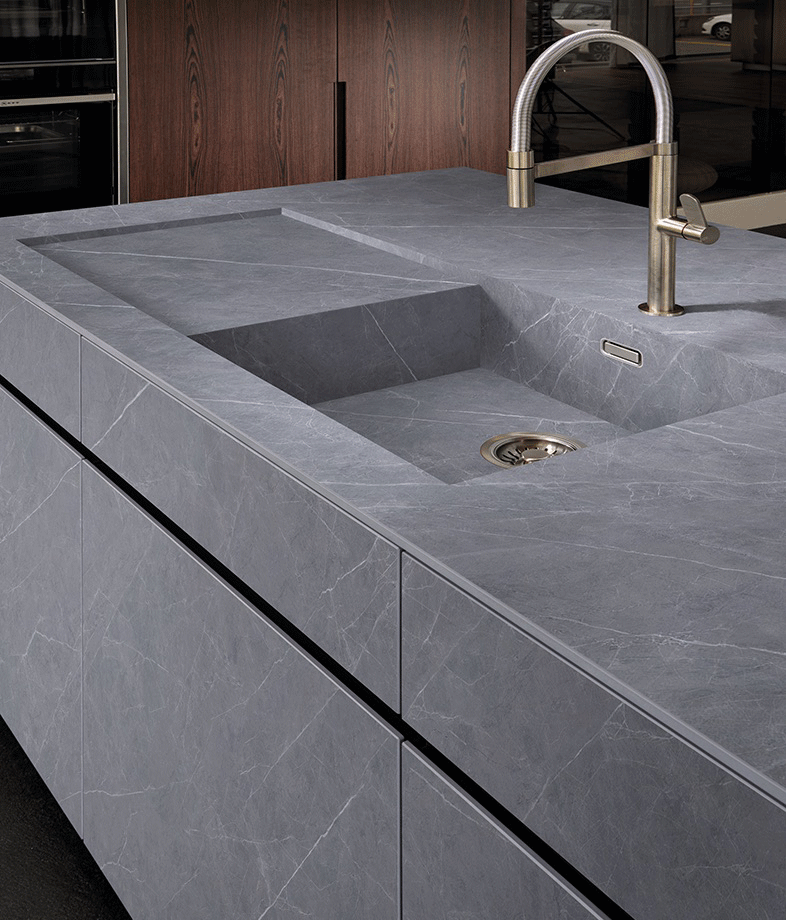
Sintered stone is an engineered surface material produced primarily from carefully selected mineral-based raw materials. These materials are refined, compacted under extremely high pressure and fired at high temperatures to create a dense and durable slab. In a highly controlled industrial environment, this manufacturing process brings mineral particles together to form a stable surface with strong resistance to heat, stains, UV exposure and everyday wear. Unlike natural stone, whose dimensions, patterns and physical characteristics are determined by geological formation, sintered stone can be manufactured with controlled sizes, thicknesses, finishes and surface designs. This gives architects and designers greater freedom when specifying materials across large architectural surfaces. Contemporary manufacturing technology also makes it possible to create visual expressions inspired by marble, travertine, natural stone, concrete and other materials while maintaining consistent technical specifications from slab to slab.
How Is Sintered Stone Made?
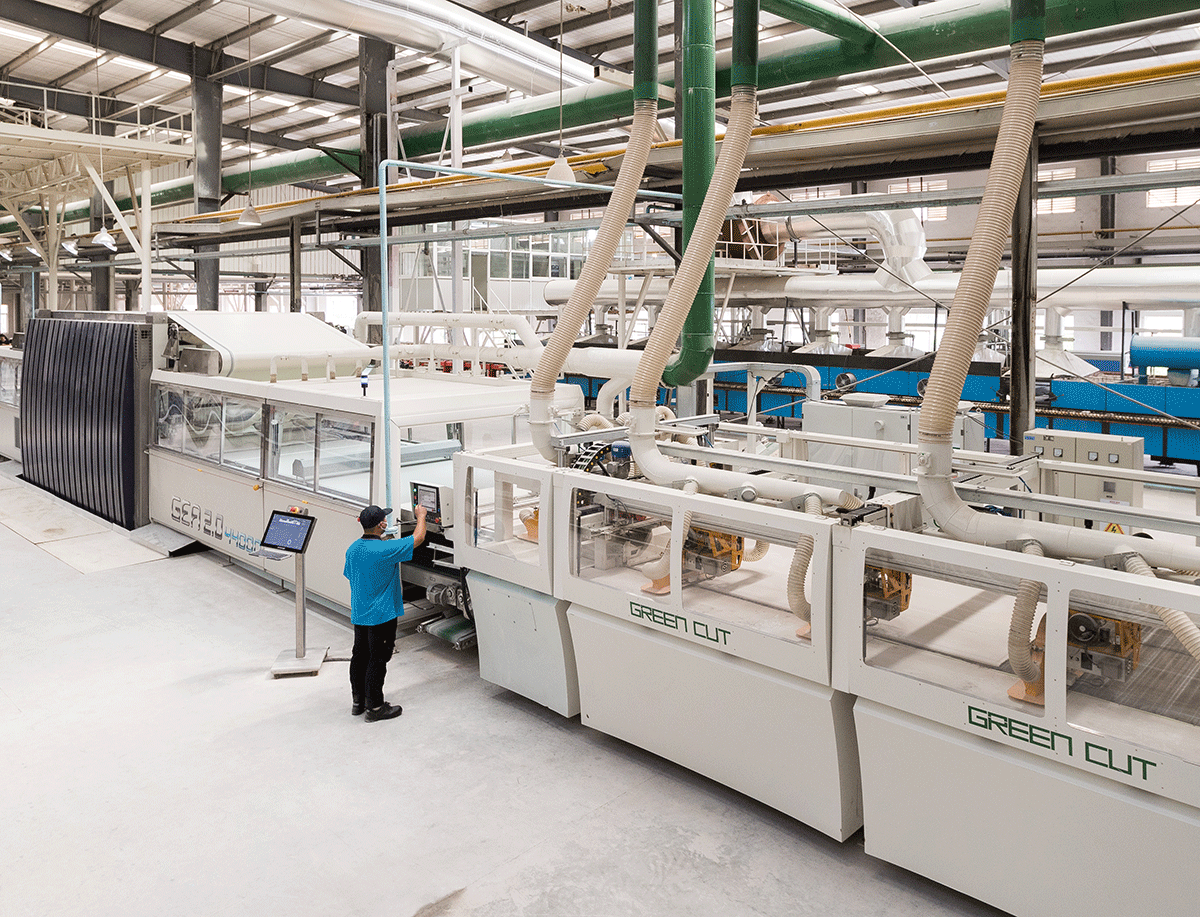
The production of sintered stone begins with the preparation of mineral-based raw materials, which are selected and refined according to the desired technical and aesthetic characteristics. These materials are then compacted under extremely high pressure to create a dense slab structure before undergoing high-temperature firing. During this process, the mineral particles bond together and the slab develops the strength, stability and surface characteristics required for demanding architectural and interior applications. After firing, advanced surface technologies can be used to create different colors, textures and visual effects, followed by finishing processes that produce surfaces ranging from polished to matte and silk textures. The combination of controlled raw materials, high-pressure compaction, high-temperature firing and sophisticated surface design is what allows modern sintered stone to balance technical performance with aesthetic flexibility.

From Countertops to Architecture
The versatility of sintered stone is perhaps most visible in the range of spaces where it can be used. In kitchens, it can extend across countertops, islands and backsplashes to create a unified material composition. In living spaces and hospitality interiors, the same material language can continue across feature walls, floors and furniture surfaces. Large-format slabs are particularly effective in spaces where designers want to emphasize scale and continuity rather than dividing the surface into smaller modules.
The material also creates opportunities beyond interior design. Selected sintered stone products can be specified for exterior walls and façade systems, allowing architects to carry a consistent material expression from inside to outside. In these applications, the correct product specification and installation system are essential. Slab dimensions, building conditions, wind loads, substrate, fixing methods and local engineering requirements should all be evaluated as part of the façade design.
Choosing the Right Thickness
Thickness is another important consideration when specifying sintered stone. Rather than selecting a slab based purely on appearance, designers should consider the relationship between dimensions, structural support, installation method, load conditions and the intended application. NABEL's sintered stone portfolio includes options such as 5.8 mm, 12 mm and 20 mm, providing different possibilities for architectural and interior applications.
Thinner formats can be considered for selected wall and cladding applications where reduced material weight is beneficial, while 12 mm provides a versatile option for applications including countertops, furniture and other interior surfaces. 20 mm slabs can be used where greater material presence is desired, particularly for substantial countertops and kitchen islands. The appropriate thickness should always be determined according to the specific project and installation conditions rather than treated as a universal standard.
Sintered Stone, Natural Stone and Quartz
Sintered stone is often compared with natural stone and engineered quartz, but each material has its own character and advantages. Natural stone carries geological variations that make every piece unique, while sintered stone provides greater control over dimensions, surface consistency and technical specifications. For projects where large formats, consistent performance and coordinated applications are important, this level of control can offer designers considerable flexibility.
Engineered quartz, meanwhile, remains widely used for interior countertops and offers consistent appearance and convenient maintenance. Sintered stone differs in its manufacturing process and can provide broader architectural possibilities, particularly when UV resistance, large-format surfaces or selected exterior applications are required. Rather than asking which material is universally better, the more useful question is which material best responds to the technical, aesthetic and environmental requirements of a particular project.
Is Sintered Stone a Good Choice?
There is no single surface material that is ideal for every project. Sintered stone becomes particularly relevant when architects and designers need to combine large formats, technical performance, low-maintenance surfaces and a consistent aesthetic language across multiple applications. Its ability to move from countertops and furniture to walls, floors and architectural façades makes it especially suitable for projects where materials are considered as part of the overall spatial concept rather than as isolated finishes.
This versatility is also changing the way surface materials are specified. Instead of selecting one material for the floor, another for the wall and another for the countertop, designers can increasingly consider how one coordinated material language can flow throughout a space. The result is not simply fewer materials, but a stronger relationship between surfaces, architecture and the way people experience the environment.
From Material to Space
At NABEL, sintered stone is developed as part of a broader approach to contemporary surfaces and architecture. With large formats reaching 3200 × 1600 mm, multiple thickness options and a wide range of surface expressions, NABEL sintered stone can support applications across residential interiors, hospitality, retail, commercial spaces and exterior architecture.
The value of a surface lies not only in how it looks as an individual slab, but in what it enables designers to create. From a kitchen island to a hotel interior, from furniture to an architectural façade, the material becomes meaningful when it enters the space and responds to the way people live, work and interact with architecture.
Frequently Asked Questions
What is sintered stone made of?
Sintered stone is manufactured primarily from mineral-based raw materials that are compacted under high pressure and fired at high temperatures to create a dense and durable surface.
Is sintered stone suitable for kitchen countertops?
Yes. Appropriate sintered stone products can be used for kitchen countertops and islands due to their technical properties, large-format possibilities and surface performance.
Can sintered stone be used outdoors?
Selected products can be suitable for exterior applications, including architectural façades. Product specifications, installation systems, environmental conditions and local engineering requirements should always be considered.
What sizes are available for sintered stone?
Dimensions vary between manufacturers and collections. NABEL offers large-format sintered stone reaching 3200 × 1600 mm, allowing designers to create expansive surfaces with fewer visual interruptions.
What thickness of sintered stone should I choose?
The appropriate thickness depends on the application, slab dimensions, structural support and installation method. NABEL offers relevant products in thicknesses including 5.8 mm, 12 mm and 20 mm.
Explore NABEL Sintered Stone
Discover NABEL sintered stone for residential, hospitality, commercial and architectural applications. Explore our collections, technical specifications and project solutions to find the right surface for your next space.
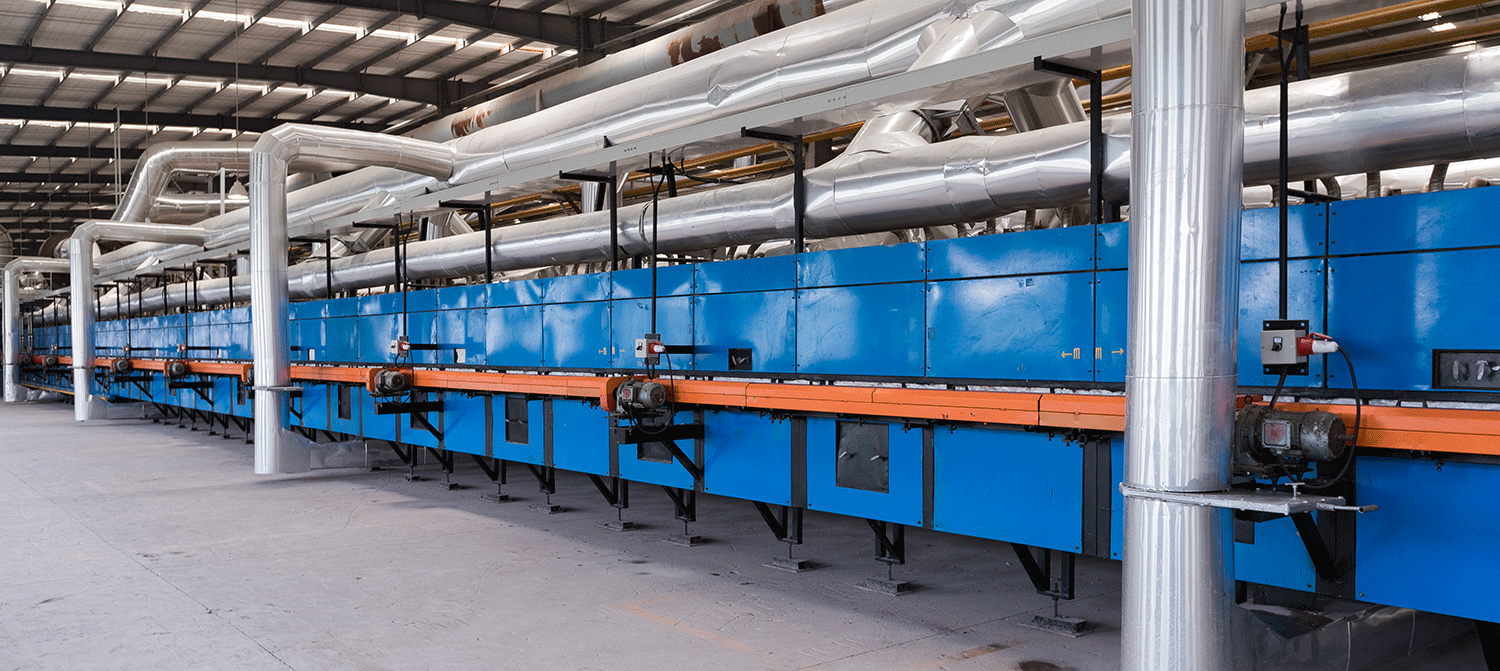
 NABEL Jiujiang Manufacturing Base |Jiujiang, Jiangxi Province, China
Получайте первыми новости о новых коллекциях и эксклюзивным материалах. Подпишитесь на рассылку NABEL.